Neffy Nasal Spray vs. EpiPen: What’s the Difference and Why It Matters
For decades, the EpiPen has been the gold standard for treating severe allergic reactions, saving countless lives during episodes of anaphylaxis. But recent innovation in allergy treatment has introduced a new option: Neffy, the first epinephrine nasal spray approved for emergency use.
While both treatments deliver the same life-saving medication — epinephrine — they do so in very different ways. Understanding the differences between these two approaches can help patients, caregivers, and healthcare professionals make informed decisions about emergency allergy management.
Understanding Anaphylaxis
Anaphylaxis is a severe and potentially life-threatening allergic reaction that can occur within minutes of exposure to an allergen such as food, medication, insect stings, or latex. Symptoms may include swelling of the throat, difficulty breathing, low blood pressure, and rapid heart rate. Immediate treatment with epinephrine is critical to prevent fatal complications.
Epinephrine works by:
- Relaxing airway muscles to improve breathing
- Raising blood pressure and heart rate
- Reducing the release of histamine and other allergy chemicals
Historically, this medication has only been available through injectable auto-injectors like the EpiPen — until the development of Neffy.
What is Neffy?
Neffy is a needle-free epinephrine nasal spray designed for the emergency treatment of allergic reactions, including anaphylaxis. It was approved by the U.S. FDA in 2024 as the first epinephrine treatment that does not require an injection.
Instead of a shot, Neffy delivers epinephrine through a single spray into one nostril, allowing the medication to be absorbed through the nasal lining into the bloodstream. If symptoms persist, a second dose can be administered after five minutes.
Regulatory Approval in Europe and the UK
Neffy — known as EURneffy in Europe and the United Kingdom — represents a major step forward in allergy treatment innovation.
The European Medicines Agency (EMA) authorised the adrenaline nasal spray for use in the European Union in August 2024, making it the first nasal spray epinephrine treatment approved for emergency anaphylaxis management.
In the United Kingdom, the Medicines and Healthcare products Regulatory Agency (MHRA) approved EURneffy on 18 July 2025, introducing the first needle-free adrenaline treatment option for anaphylaxis available to UK patients.
The device is intended for adults and children weighing 30 kg or more, and like auto-injectors, patients are advised to carry two doses in case a second administration is required before medical help arrives.
What is an EpiPen?
The EpiPen is a pre-filled auto-injector that delivers epinephrine through a needle injection into the outer thigh muscle. It has been the standard treatment for anaphylaxis for over 35 years and is widely used around the world.
Because the medication is delivered directly into muscle tissue, it is rapidly absorbed into the bloodstream to counteract severe allergic symptoms.
Key Differences Between Neffy and the EpiPen
| Feature | Neffy Nasal Spray | EpiPen Auto-Injector |
|---|---|---|
| Delivery method | Nasal spray | Intramuscular injection |
| Needle required | No | Yes |
| Administration | Spray into nostril | Inject into outer thigh |
| Ease of use | Simple spray | Requires injection technique |
| History of use | New technology | Decades of clinical use |
| Potential side effects | Nasal irritation, runny nose | Injection site discomfort |
Both products contain the same active drug — epinephrine — and are designed for rapid emergency treatment.
Benefits of Neffy
1. Needle-Free Administration
Many patients, particularly children, hesitate to use an auto-injector due to fear of needles. A nasal spray can help reduce this barrier and encourage faster treatment during emergencies.
2. Simpler to Use in High-Stress Situations
During anaphylaxis, patients or caregivers may struggle to correctly administer an injection. A nasal spray requires fewer steps and can be easier to use quickly.
3. Compact and Easy to Carry
Neffy devices are smaller and may be more convenient to carry in daily life, which could increase the likelihood that patients keep them accessible at all times.
4. Flexible Positioning
The nasal spray can be administered while a patient is sitting, standing, or lying down, which can be useful in emergencies.
Benefits of the EpiPen
1. Proven Track Record
Epinephrine auto-injectors have been the standard emergency treatment for anaphylaxis for decades, with extensive real-world clinical data supporting their effectiveness.
2. Rapid Intramuscular Absorption
Injecting epinephrine directly into muscle allows fast delivery into the bloodstream, helping counteract life-threatening symptoms quickly.
3. Broad Medical Familiarity
Healthcare professionals, schools, and caregivers are already trained to recognize and use auto-injectors like the EpiPen, making them widely understood emergency devices.
4. Multiple Dose Options for Children
Auto-injectors offer different dosage strengths for smaller children, which has made them a practical option for a wide range of patients.
Will Neffy Replace the EpiPen?
Not necessarily. Most experts expect the two treatments to co-exist as complementary options rather than replacements.
For many patients, Neffy may reduce hesitation to treat anaphylaxis quickly, particularly for those who are uncomfortable using injections. However, auto-injectors like the EpiPen remain a trusted and widely recommended first-line treatment.
The most important factor is ensuring epinephrine is available and administered immediately when symptoms appear.
A Practical Way to Carry Neffy
While Neffy nasal sprays do not require temperature-controlled storage like some injectable medications, safe and accessible storage is still essential during everyday life. In an emergency, the most important factor is being able to locate and use epinephrine quickly.
To support this, FRIO UK has developed a new range of stylish nasal spray cases designed specifically for Neffy. Each case is designed to securely house two nasal spray devices, helping users keep a backup dose close at hand.
The cases feature a bespoke insert made from recycled plastic, carefully engineered to hold the sprays firmly in place and prevent movement or accidental damage while travelling or commuting.
Because Neffy does not require cooling, these cases do not include FRIO’s traditional cooling technology. Instead, they focus on protection, organisation, and convenience, making it easier for users to carry their medication confidently wherever they go.
Whether stored in a handbag, backpack, or school bag, the dedicated case ensures two Neffy sprays remain secure, accessible, and ready when needed. CLICK HERE to view products.
Temperature-Safe Storage: Why It Matters for Emergency Allergy Medication
When carrying a traditional EpiPen auto-injector proper storage remains essential for ensuring the medication works when it’s needed most.
Epinephrine (also called adrenaline) is a temperature-sensitive medication. Exposure to extreme heat or freezing temperatures can degrade the active ingredient, potentially reducing its effectiveness during a life-threatening allergic reaction.
For people living with severe allergies, this can be a real challenge. Emergency medication often needs to travel everywhere with the patient — from school bags and handbags to cars, holidays, sports activities, and daily commutes.
Maintaining a safe temperature range helps ensure the medication remains stable, reliable, and ready for use in an emergency.
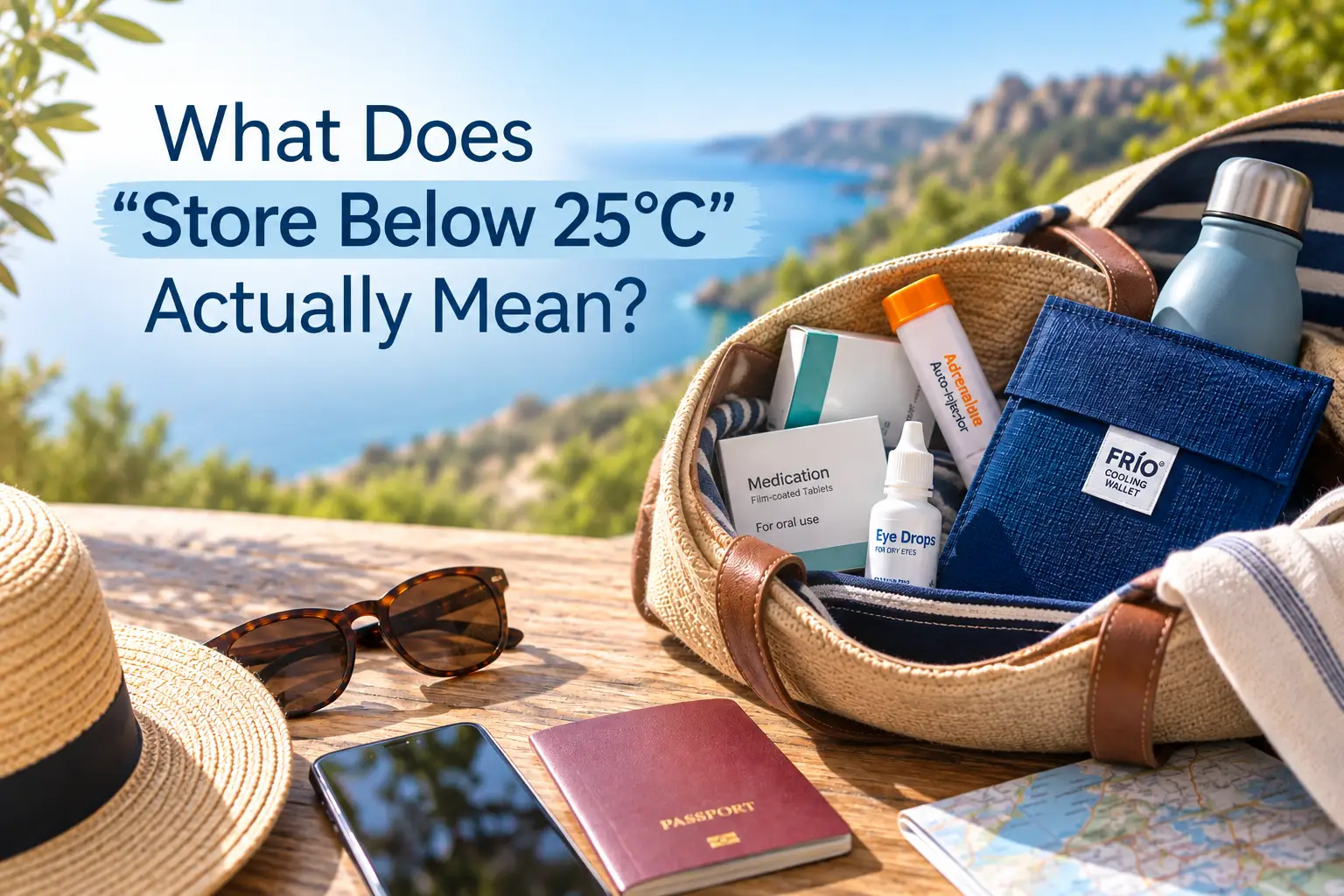
Specialised medical cooling solutions can help protect temperature-sensitive medications from environmental extremes. Evaporative cooling technology, such as that used in FRIO medical cooling wallets, helps keep medications within a safer temperature range without the need for refrigeration, ice packs, or batteries. This makes it easier for patients to carry life-saving medication confidently wherever they go.
For individuals managing severe allergies, accessibility and proper storage go hand in hand. The most advanced treatment is only effective if it remains stable and available at the critical moment it’s needed.
Ultimately, the best emergency treatment is the one that patients feel confident carrying and using when it matters most.
Innovations like Neffy offer new choices, but the goal remains the same: rapid access to life-saving epinephrine when every second counts.